


Interior Door Design Inspirations: From Teak to Laminates
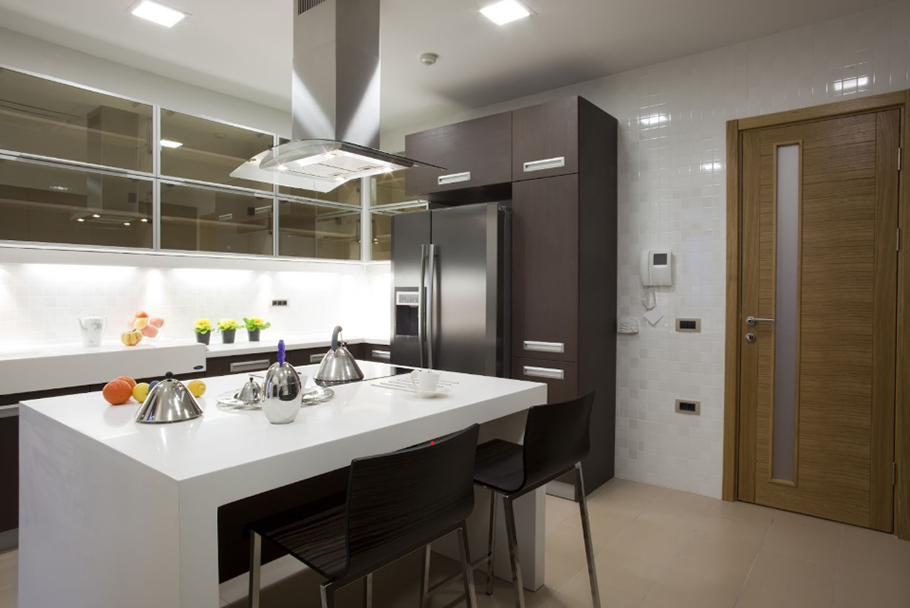
Interior doors do more than separate rooms – they influence privacy, movement, and the overall look of a home. Today, most homes use engineered doors finished in either teak wood veneers or modern laminates, each offering distinct benefits. Teak veneer doors bring natural warmth and timeless appeal, while laminated door designs deliver durability and easy upkeep. This guide outlines timeless wood options, modern laminate styles, and practical tips to help you choose doors that are both beautiful and durable.
Why Interior Door Design Deserves More Attention
Interior doors are often an afterthought, chosen once kitchens, wardrobes, flooring, and lighting are finalised. Delaying the decision limits finish options and disrupts continuity. Giving interior door design earlier attention ensures better comfort, privacy, and visual flow across the home.
Focus on door designs to:
- Ensure visual flow: Align door finishes with floors, wall panels and wardrobes, so rooms read as one story.
- Improve comfort: Select cores and seals that manage noise, light bleed and draughts in bedrooms and studies.
- Match use to performance: Plan moisture protection near baths and robust surfaces in high-traffic corridors.
This guide builds from that point. We compare teak wood doors and laminated door designs for specific rooms and styles, then cover finishes, performance options and fit-out. Mikasa Doors supports those choices with engineered cores, factory finishing, and pre-hung sets that deliver the specification on site as designed.
Related : Interior Doors: Explore Bold Design Ideas for modern Homes
Teak Wood Door Designs: Warmth, Grain and Classic Appeal
Teak has a fine, even grain and a warm tone that ages gracefully, making it a classic choice in interior door design. In modern homes, teak is usually applied as a veneer over engineered cores rather than in solid-wood form. This construction keeps the door stable through seasonal changes while retaining the natural warmth and premium look that teak is known for. It brings character without clutter and anchors spaces that need a composed, timeless feel.
Designs that stay relevant
Choose a flush wood door design with subtle grooves for a refined, modern look or opt for balanced panels that feel structured without being ornate. Slim frosted or reeded glass lites bring in light while preserving privacy. Gentle arch profiles add character to entryways without appearing heavy.
Finishes that flatter teak
Clear matte highlights the grain, mid-brown stains add depth to larger leaves, and a gentle satin lacquer gives a refined sheen. Pair with brushed brass for warmth or black design elements in the room for a modern edge.
Where teak adds the most value
Use teak for living room entrances, principal bedrooms and studies where a richer tone elevates the scheme. Mikasa Doors’ engineered wooden door sets deliver the teak look with consistent finish and clean detailing, so the door feels composed and ages well.
Related : 4 Ways To Make Your Interior Door Design a Centrepiece of Your Space
Laminated Door Design: Contemporary Look, Everyday Practicality
A well-chosen laminated door design delivers the look of timber with low maintenance. Modern laminates offer realistic woodgrains, refined solids and tactile textures that resist abrasion, fingerprints and stains. This makes laminate doors especially practical for Indian homes and rental properties, where corridors, rooms, and high-use spaces require durable, low-maintenance solutions.
Where laminate earns its keep
- High-traffic zones: Abrasion-resistant surfaces keep doors looking clean and presentable, even with frequent use.
- Family bedrooms and kids’ rooms: Easy-clean finishes handle scuffs, stains, and everyday marks.
- Tight project schedules: Factory-finished doors install quickly and eliminate the need for on-site polishing.
Design flexibility with a modern appeal
Choose flush doors for a clean contemporary line, add CNC groove patterns for shadow and rhythm, or use two-tone schemes that pair a warm woodgrain with a calm solid. For brighter passages, choose slim frosted glass lites to pull light through without losing privacy. The consistent finish of laminates makes colour-matching with wardrobes and wall panels straightforward, giving the entire interior door design a cohesive look.
Related : 3 Key Factors to Choose The Right Interior Doors
Design Inspirations for Modern Interiors
Interior doors set the tone for how spaces connect. Choosing a wood or laminated door design that reflects your interior style can unify rooms and give the home a finished, thoughtful look. The directions below work with both wood veneers and laminate door finishes, perfect for various design briefs and budgets.
Flush doors
A simple veneer or solid-colour laminate works well in modern apartments. The uninterrupted surface lets flooring and furniture take priority.
Geometric grooves
CNC-cut lines add subtle texture and depth without overwhelming the surface. They work equally well with teak veneers or laminate finishes.
Two-tone finishes
Pair a warm woodgrain with a solid colour to add contrast without visual noise. This approach works well in corridors and living zones.
Glass-panel inserts
Slim vertical or horizontal frosted panels pull light between rooms while maintaining privacy. Teak and other wood-veneer frames feel warm; laminated frames keep the look sharp.
Sliding and pocket doors
Space-saving solutions for urban homes. Veneered sliding doors add warmth; laminate versions create crisp partitions in contemporary layouts.
Mikasa Doors’ engineered wood door sets support each direction with precise cores, factory finishing, and consistent detailing, so the chosen design reads as intended once installed.
Related : Installation Tips for Interior Wooden Doors
Matching Materials to Rooms: A Practical Guide
The best interior door design choices balance aesthetics with how each space is used. Teak veneers and laminates behave differently, so matching the material to the room helps doors look good and last longer.
Bedrooms
Bedrooms benefit from warmth and quiet. A teak wood door design delivers a premium look and a calmer feel.
Bathrooms and utility zones
Moisture and daily wear demand a laminated door design with sealed edges. Finishes can be matched with adjoining spaces for continuity.
Studies and media rooms
Sound control and a refined finish matter. Teak and other wood veneers with denser cores and drop seals improve acoustic performance and lend a premium yet classy appearance.
Children’s rooms and corridors
Durability takes priority. Laminates with scuff resistance and easy-clean textures keep doors looking fresh in high-traffic areas.
Living areas
For living and dining areas, use statement teak wood doors for warmth, or two-tone laminates for a crisp, modern look.
Planning materials room by room ensures each door contributes visually and functionally, while Mikasa’s engineered cores and factory finishing keep the look consistent across the home.
Related : The Impact of Door Hardware on Interior Design: Handles, Hinges and More
Finishing and Performance Details That Make a Difference
The performance of interior door designs depends on how the door is built and finished. Engineered construction and factory finishing make a clear difference.
Factory vs. site finishing
On-site polishing or lamination risks variations in colour, sheen and edge sealing. Dust and moisture can lead to uneven results. With Mikasa Door’s factory-finished doors, veneers and laminates are applied in a clean, quality-controlled environment, giving consistent colour, strong bonding, and a durable surface across every door.
Acoustic and fire-rated options
Different rooms call for different performance layers. Bedrooms and studies benefit from acoustic cores and drop seals that limit sound and light bleed. In select passages, fire-rated options add protection without changing the external look.
Hardware integration
Pre-hung engineered door sets allow concealed hinges, smart locks and flush handles to sit cleanly, which keeps the wood or laminated door design true to the original aesthetic. These details shape both everyday usability and long-term durability, ensuring doors look and function as intended.
Related : 4 Strategies to Elevate Your Bedroom Door’s Aesthetics
Cost and Maintenance Considerations
Budget and maintenance needs often determine whether teak or laminate is more practical for each room. Understanding how material, finish and construction influence cost and long-term value helps decisions last.
What drives cost
The core, finish, hardware and any glazing all influence pricing. Teak wood door designs with quality veneers sit at the premium end due to material selection and finishing detail. Laminated door design options are usually more cost-effective, particularly for high-traffic areas where durability matters more than a natural grain. Features such as acoustic cores, fire ratings, or concealed hardware add cost but provide tangible comfort and performance benefits.
Installation and lifecycle
Pre-hung engineered wooden door sets from Mikasa Doors streamline installation. The leaf, frame and hardware arrive together and factory finished, which reduces site work and helps control timelines and rework. Laminated finishes offer low-maintenance surfaces, while teak veneers reward occasional polishing to maintain depth and sheen.
Value over time
Choosing the right finish for each space prevents premature repairs or replacements and ensures lasting performance. When doors are designed thoughtfully, they hold their appearance and function, making the initial investment worthwhile.
About Mikasa Doors
Mikasa Doors & Frames brings precision engineering and design flexibility to interior door design. Each door set is manufactured as a complete unit: leaf, frame and hardware, for clean alignment, reliable performance and a consistent finish. Engineered cores stay stable through seasonal changes, while factory-applied veneers and laminates deliver colour accuracy and surface quality that on-site work rarely matches. Whether you are building new or refining an existing space, Mikasa Doors & Frames delivers engineered doorsets that align with your design intent and perform reliably over time. Reach out to Mikasa Doors on 1800-833-0004, email info@mikasadoors.com, or visit our contact us page to explore door solutions tailored for your requirements.
Frequently Asked Questions

3 Care and Maintenance Tips for your Interior Doors
Interior doors are one of the most aesthetic and functional aspects of your decor. They make your ho

5 Reasons to Invest in Mikasa Doors
Doors are an integral component of any interior. Interior doors provide privacy and security, help i

Installation Tips for Interior Wooden Doors
Door installation can be a rewarding project, instantly enhancing the aesthetics and functionality o
 Email:
  Toll Free No.: