


Office Doors: A Buyers’ Guide Based on Office Type and Functional Needs
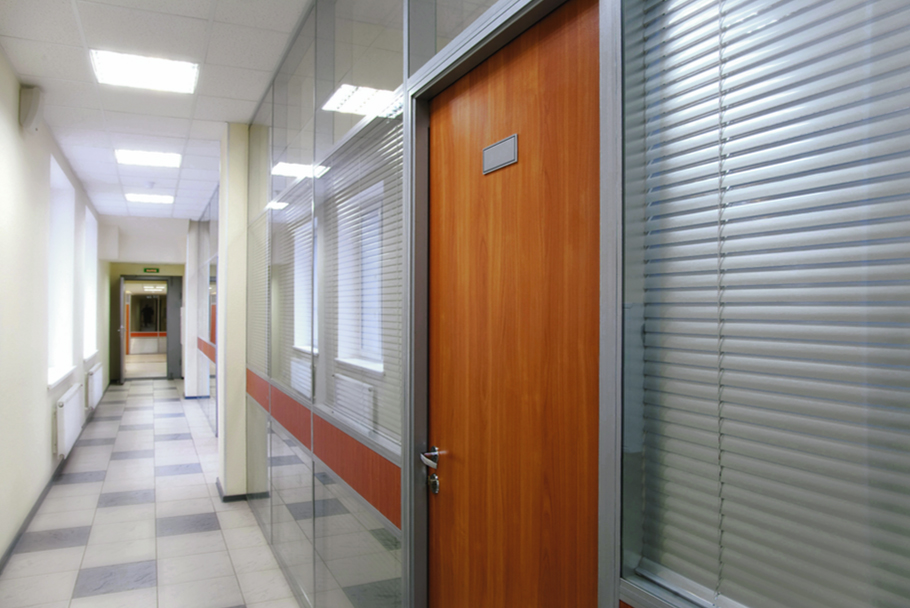
Office interiors are critical to workplace culture, brand identity, and the overall experience of employees and visitors. That’s why the humble office door is far more important than many assume. The right door in office spaces balances privacy, safety, and aesthetics while supporting the flow of different work areas. From a statement office entrance door to practical doors for office rooms, the choice influences both design and performance. This article serves as an office door design guide, featuring options from the Mikasa Doors & Frames catalogue suited to different workplaces, ranging from industrial offices to modern workspaces. Before selecting office doors, however, it is helpful to understand the functional role they play in workplace planning.
Understanding Door Requirements in Office Spaces
Doors in offices are not just architectural elements. They help define zones, control sound, maintain privacy, and contribute to safety compliance.
Functional Requirements of Doors for Office Rooms
Different doors for office rooms serve different purposes. Some are designed to separate workstations from collaborative spaces, while others provide privacy for cabins, meeting rooms, or management offices. The design and material selection should therefore support both practical and aesthetic considerations.
Several factors guide the selection of a suitable door in office interiors.
- Privacy and Acoustics: Meeting rooms, conference rooms, and executive cabins require doors that reduce sound transmission and maintain confidentiality.
- Fire Safety Compliance: Certain areas within an office building require specialised doors that meet fire safety regulations, particularly around staircases, service zones, and critical infrastructure areas.
- Visual Transparency: Some workplaces benefit from doors that maintain visual openness. Doors with glass or vision panels help maintain connectivity while still separating spaces.
- Durability in High Traffic Areas: Corridors, common areas, and frequently used rooms require surfaces that resist wear and maintain their appearance over time.
- Interior Design Theme: The overall interior concept of the office also influences the choice of door finishes and styles. Natural wood surfaces are often preferred in premium corporate settings, while painted or laminate finishes work well in minimalist or contemporary offices. Selecting door designs that complement the interior palette helps create a cohesive and visually balanced workspace.
Read Also: A Brief Guide to Understanding Mikasa’s Wood Door Design
Why Engineered Door Solutions are a Preferred Choice for Offices
Modern office interiors increasingly rely on engineered door solutions that offer consistent quality, durability, and design flexibility. Unlike traditional solid wood doors, engineered wood office doors are manufactured using controlled processes that enhance stability and long-term performance.
These doors are designed to maintain uniform structure, resist warping, and accommodate a variety of surface finishes such as veneers, laminates, and paint. As a result, they provide both functional reliability and aesthetic versatility, making them well-suited for contemporary office environments.
Considering these factors helps ensure that the chosen office doors complement both the functionality and aesthetics of the workplace.
Application Guide: Types of Office Doors Based on Performance Needs
Different types of office environments may require specialised door solutions depending on safety, acoustics, and visibility.
1. Non-Fire-Rated Doors
Non-fire-rated office doors are commonly used in general work areas such as cabins, collaborative zones, and internal offices. These doors focus primarily on aesthetics and durability while maintaining reliable everyday performance.
2. Fire-Rated Doors
Fire-rated doors are used in areas where fire safety compliance is required. These include service corridors, electrical rooms, staircases, and certain building access points. Such office entrance doors help contain fire and smoke within designated zones for some time, supporting evacuation efforts and overall building safety.
3. Acoustic Doors
Acoustic doors are particularly useful in spaces where sound control is important. Conference rooms, meeting rooms, and executive cabins often use acoustic doors for office rooms to minimise noise disturbance and maintain confidentiality during discussions.
4. Doors with Vision Panels
Vision panels introduce transparency and visibility into the workspace. They are commonly used in corridors, collaborative areas, and certain workspaces where supervision or openness is beneficial. These doors help maintain visual connection while still functioning as physical partitions.
Read Also: Types of Wooden Doors for Every Room – The Ultimate Guide
Mikasa Door Surface Options for Office Interiors
The surface finish of a door plays a significant role in shaping the visual character of an office interior. It influences how the workspace feels, from warm and natural to clean and contemporary. Mikasa Doors & Frames offers a variety of surface finishes designed to complement different office environments and design themes.
Veneered Doors
Mikasa veneered doors can be finished using the extensive Mikasa Decowood Veneer collection, which celebrates the natural beauty and simplicity of real wood. These veneers highlight the authentic grain patterns and textures that bring warmth and sophistication to interiors. The veneers are pre-polished in the factory using an advanced UV process. This ensures consistent finish quality, improved durability, and long-lasting visual appeal. Veneered wood office doors are often selected for executive cabins, boardrooms, and premium office entrance doors where a refined aesthetic is desired.
Painted Doors
Painted doors offer a minimalist and contemporary look that suits modern office interiors. Mikasa Doors can be supplied fully painted in a wide range of colours drawn from the RAL colour system or other international standards. These finishes allow designers to create interiors that feel clean, cohesive, and visually balanced. Painted doors are commonly used for doors for office rooms in workplaces that favour neutral palettes such as white, beige, or muted greys.
Laminate Doors
Laminate doors combine durability with extensive design flexibility. Mikasa doors can be finished using the broad range of Greenlam decorative laminates, available in solid colours, wood patterns, metallic finishes, and textured surfaces. This variety allows designers to explore different visual directions while ensuring reliable performance in high traffic areas. Laminate office doors are widely used across cabins, meeting rooms, and general office spaces because they maintain their appearance even with frequent use.
Origami Designer Doors Collection
The Origami collection is an exclusive designer door collection that draws inspiration from the ancient Japanese art of paper folding. Mikasa’s Origami designer doors incorporate sculpted folding patterns that create striking geometric forms on the door surface. These intricate designs add depth and movement, making the doors visually distinctive. Origami doors are often used as feature office doors in creative workplaces, design studios, or reception areas.
Grooved Doors
The Mikasa Grooved Collection combines craftsmanship with contemporary design. These doors feature precisely etched grooves that introduce subtle textures and visual rhythm to the surface. With multiple textured patterns available, the grooved doors create an engaging play of light and shadow that adds dimension to interiors. The collection reflects Mikasa’s approach to transforming wood into a refined design element. Grooved doors are suitable for offices that want understated yet distinctive design details.
Bespoke Doors
For offices that require a distinctive design statement, Mikasa Doors & Frames also offers bespoke door solutions. These doors allow custom combinations of veneers, laminates, painted finishes, and decorative detailing. Bespoke designs are often used for prominent office main door locations, reception areas, or signature office entrance doors, where the door becomes a key architectural feature within the workspace.
Office Door Design Guide Based on the Type of Office
Different industries and office environments have different design priorities. Selecting suitable office doors based on the nature of the workspace can help create interiors that are both practical and visually cohesive.
1. Doors for Corporate Offices and Professional Workspaces
Corporate offices often aim for interiors that feel refined, professional, and timeless. Executive cabins, meeting rooms, and reception areas benefit from door designs that reflect a sense of understated elegance.
Recommended styles
- Veneered doors that highlight natural wood textures
- Minimalist painted doors in neutral tones
- Grooved doors with subtle surface patterns
- Laminate doors in neutral colours such as beige, white, and grey
These styles work particularly well for corporate wood office doors because they combine visual sophistication with long-term durability.
2. Doors for Creative Studios and Fashion Startups
Creative workplaces such as design studios, advertising agencies, media companies, architecture firms, and fashion startups often favour interiors that feel expressive and visually engaging. In these environments, doors can become part of the design narrative rather than simply acting as functional partitions. Thoughtfully selected office doors help reinforce the creative identity of the workspace while still maintaining privacy where needed.
Recommended styles
- Origami designer doors collection featuring distinctive folding patterns
- Bold colour laminate doors that add vibrancy to interiors
- Veneered doors used as statement surfaces in key areas
Such designs allow office doors to function not only as partitions but also as design features within creative environments.
3. Doors for Healthcare Offices and Clinics
Healthcare offices and clinics require interiors that feel calm, organised, and hygienic. Door surfaces in these spaces should be durable, easy to maintain, and visually soothing.
Recommended styles
- Minimalist painted doors in RAL shades
- Woodgrain laminate doors with subtle textures
- Doors with vision panels to support visibility where required
These options help maintain a professional and reassuring atmosphere while ensuring reliable performance for doors for office rooms in medical environments. Buyers can also consider the specialty Healthcare doors collection from Mikasa Doors & Frames.
4. Doors for Factory Offices and Industrial Admin Rooms
Administrative offices located within industrial or factory settings prioritise practicality and durability. Doors in these areas must withstand frequent use and sometimes challenging environmental conditions.
Recommended styles
- Woodgrain laminate doors designed for durability
- Grooved doors that add subtle visual interest
- Fire-rated doors in areas where safety compliance is necessary
Such solutions ensure that office doors in industrial environments remain dependable while still maintaining a neat and organised appearance.
5. Doors for Co-Working Spaces and Modern Work Hubs
Co-working spaces and modern work hubs often feature flexible layouts that combine private cabins, meeting rooms, and open collaborative zones. Door designs here must support both privacy and visual openness.
Recommended styles
- Sliding office doors that allow flexible spatial configurations
- Doors with vision panels to maintain visual connectivity
- Bold colour laminate doors to add character
- Custom doors combining veneer and laminate finishes
- Grooved doors that introduce texture into minimalist interiors
These options allow designers to create dynamic office environments where doors for office rooms support both collaboration and focused work.
Choosing the right office doors involves balancing functionality, safety, and design to suit the specific needs of different work environments. With a wide range of finishes and specialised solutions available in Mikasa Doors & Frames’ catalogue, businesses can select doors that support both practical performance and a cohesive office interior.
About Mikasa Doors & Frames
Mikasa Doors & Frames offers a wide range of factory-finished, engineered wooden door sets, including Fire Rated Door Sets, Designer Door Sets, Specialty Door Sets, and Dura Collection. These are designed to suit a variety of interior applications and are available in multiple configurations, including individual door leaves, frames, or complete door and frame assemblies. The door and frame sets are carefully selected and tested to deliver a fit-for-purpose solution that meets certified performance levels. This coordinated system helps provide dependable product performance and long-term resilience across a variety of applications.
Explore Mikasa Doors & Frames’ wide range of engineered door solutions for offices and commercial interiors by downloading the product catalogues or visualise different door designs using the online visualiser tool. For further assistance, call us at 1800 833 0004 or email us at info@mikasadoors.com.
Frequently Asked Questions
Ready-to-Install Office Doors: A Smart Choice for Modern Workspaces
Delays, inconsistent finishes, and extensive on-site work are some of the most common challenges tha
 Email:
  Toll Free No.: